

Menu Matters Monthly Minute | February 2026
The importance of friction.
While there are certainly plenty of macro issues the world is dealing with right now, it’s also true that many people’s day-to-day lives have never been easier. We have every book, movie, TV show, and song at our fingertips. We can order up virtually any meal we can imagine with the click of a few buttons. Our homes have appliances that wash our clothes, scrub our dishes, make our coffee, chill our food. We can turn on the lights with our voice and control the temperature of our environment down to the degree from the comfort of our bed.
While that's nice in the moment, over time it can rob us of those friction points where value is created and discoveries are made. Rory Sutherland, the behavioral economist and Ogilvy vice chairman (and one of our favorite agitators), has long argued that our obsession with eliminating all effort destroys value in ways we don't immediately see. His classic example: spending billions to shave 40 minutes off the Eurostar journey time is a far less interesting investment than simply making the existing journey more enjoyable. He offers up examples like this all the time. The effort that goes into putting together IKEA furniture ultimately results in consumers valuing it more. The time that goes into dating — meeting people, hearing their stories, refining and changing what matters and doesn’t matter to you — can not only help us find a better match than what we might put down on paper, but also develops who we are as partners in the long term.
The food industry knows the value of a little effort and friction. There’s the classic story that, when Betty Crocker introduced instant cake mixes in the 1950s, they were a marvel of convenience — just add water and bake. But when they flopped, research revealed that home cooks felt vaguely guilty, even cheated, by how little they contributed. The fix? Require the cook to add an egg. That small act of participation restored a sense of craft, care, and ownership. The egg wasn't about the recipe at all. It was about the cook.
That type of consumer-centric innovation is where, as Sutherland often says, magic is made. Sure, we can create “get-in-and-get-out” restaurants filled with kiosks and robots, but research shows time and time again that it’s those leisurely meals shared with other people that make us happier.
As every generation looks to get off their phones and get hands-on again, there is an opportunity to stop optimizing for ease and move in the opposite direction, creating products and experiences that invite people back in, that ask something of them, that leave room for a little magic to happen.
Maeve, Mike, and Shelley
DID YOU KNOW?
48% of consumers say adding more healthy options and nutrients to an ultra-processed food would make it OK for them to purchase and consume.
Ultra-processed foods continue to make headlines, which is only adding to consumer confusion. As we note in our 2026 Consumer Needs Report, 12% of Gen Z says apples are ultra-processed!
Overall, we know that consumers do want clean, simple foods. When we asked what claims consumers want to see from food and beverage brands, “made with real ingredients” was the top option they selected, followed by “no artificial ingredients.”
And when we asked them to choose between a product with simple, recognizable ingredients or one with trending superfood ingredients, a whopping 87% chose the former.
But, consumers also know that the choice is rarely so simple. Indeed, many of these answers are clearly aspirational, while their actual purchases tell a different story (which is still a learning and opportunity for the food industry).
So we asked consumers — what benefits would make ultra-processed foods OK to purchase and consume? Their top answer: adding more health or nutrients to a product, which nearly half of consumers said (and which held across generations).
After that, prolonging the shelf life of food (32%) and allowing their favorite foods to be shelf stable (29%) were the most important benefits.
In other words, the ultra-processed landscape isn’t always so black and white. Many consumers understand that protein yogurt doesn’t grow on trees, or that preservatives, well, preserve.
What We Learned
On LinkedIn, we start the week with our #MondaySparks (three creative ideas to jumpstart the week) and end the week with our #FridayFive (five things we learned in the past week). Here are five of the most popular posts from the past month:
You can catch every #FridayFive, #MondaySparks, and more here and here.
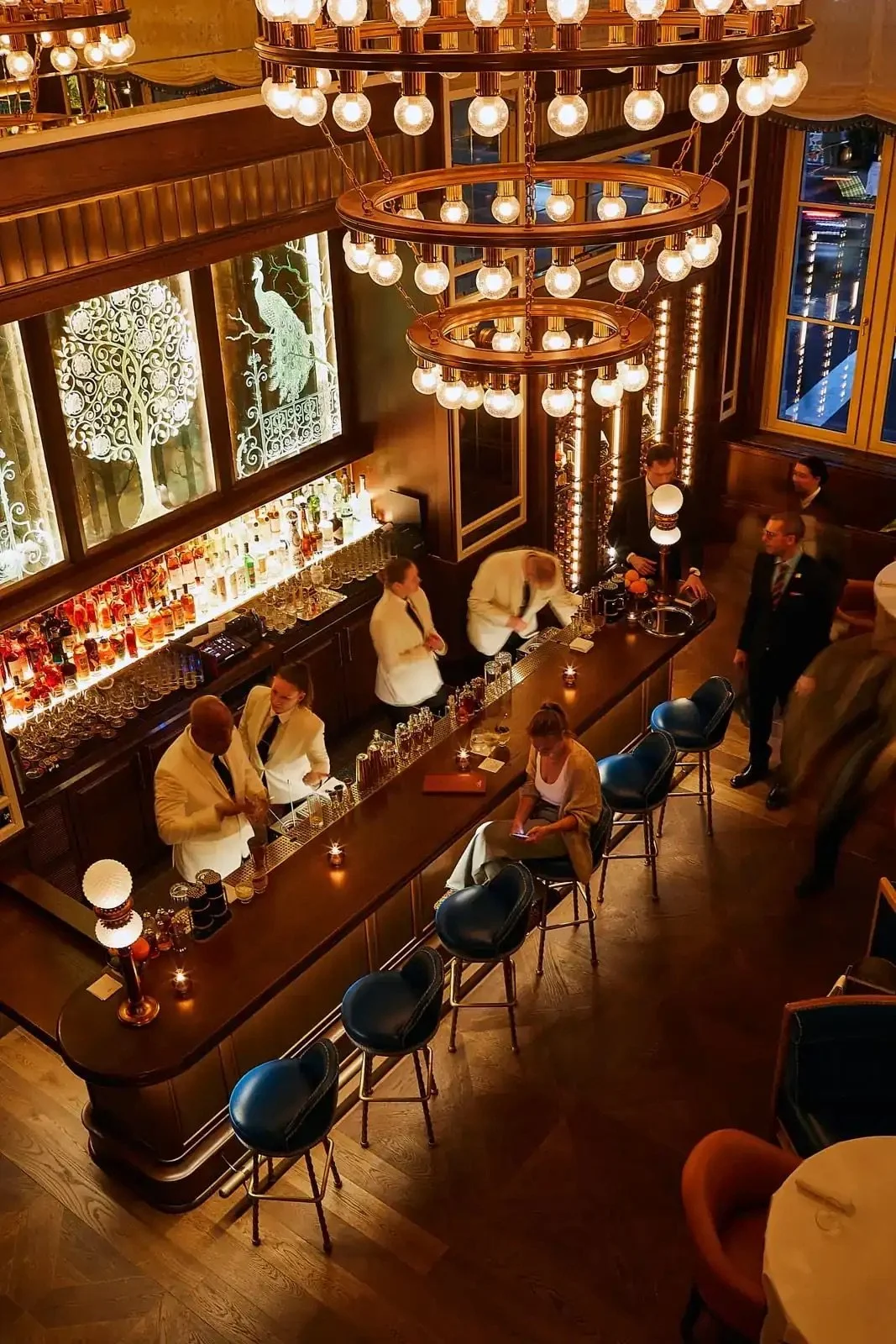
Fifth Avenue Hotel
The Hot List
Delicious meals, excellent hotels, favorite products, thought-provoking books, great TV shows and movies — these are some of Maeve and Mike’s favorite recent discoveries.
“I cannot stress this strongly enough: if you can stay at the Fifth Avenue Hotel, do it. This hotel has taken hospitality to the next level. Upon check in, you're greeted by a butler who brings you a warm towel and beverage then walks you through the in-room amenities which includes a complimentary mini fridge (alcohol, however, is extra). The design is over the top enough to be memorable but not enough to be uncomfortable. Make sure to stop by The Portrait Bar for some snacks and a beverage before hitting the town. Yes, you're going to pay for the stay but even at this price point the value is incomparable. And, frankly, while all the touches make this hotel memorable, it is the exceptional staff that makes the experience so noteworthy.” MAEVE
“Eat Your Books is one of my favorite resources that still manages to fly under the radar. The website lets you add all of your cookbooks to the site (with an ISBN code scanner app you can do it with your phone camera) and suddenly you have an index of every recipe in your cookbook collection (thanks to the amazing volunteers who manually index them). You can search your books by ingredient (so helpful if you get something new from the farmer’s market or CSA), course, cuisine, holiday, etc. Maeve and I have challenged ourselves to cook 100 new recipes this year (you can follow along at her Instagram here, and mine is here) and Eat Your Books is an invaluable resource.” MIKE
“It's easy to assume that small towns have limited restaurant options, and often that is true. But, there are gems in the least expected places. That's true of the Delmar Public House, which just happens to be near our new house in Godfrey, IL. The menu draws from a surprising range of global cuisines, making it a standout in an area where burgers and pizza are the most common options. While I've only been once (so far...though it's likely to become a regular haunt), the food was delicious and the staff incredibly friendly and helpful. Never discount the innovation happening outside major metro areas.” MAEVE
Where We’ll Be
New Orleans, LA - March 2-5 - NAFEM Executive Summit
Denver, CO - March 10-12 - Research Chef’s Association Conference
Boston, MA - March 19 - Private Client Event
New York, NY - April 13-15 - Private Client Event
Ossining, NY - April 20-22 - IACC America’s Knowledge Exchange 2026
Napa, CA - April 28-30 - Roland Foods & AUI Innovation Summit
Chicago, IL - May 16-19 - National Restaurant Association Show
The state of flavor.
The latest episode of the Menu Matters podcast — The Mess Hall, where we have messy conversations about the thorny topics that matter to the food and beverage industry — is here.
On this episode, we talk to we talk to Chef Anna Cheely, a flavor science expert and the senior culinary innovation manager at Kalsec, a natural flavors and colors company based in Michigan. How have flavor preferences have changed over the years? What does flavor look like at a time when ultra-processed foods are in the headlines? And how do you even capture the flavor of tom yum soup in a bottle? Plus, we start the episode discussing the joy of cooking and what it means for the food industry. And in our five questions, Chef Cheely tells us her food industry pet peeve.
You can find it on all of your favorite podcast platforms (Apple, Spotify, Amazon, Overcast).
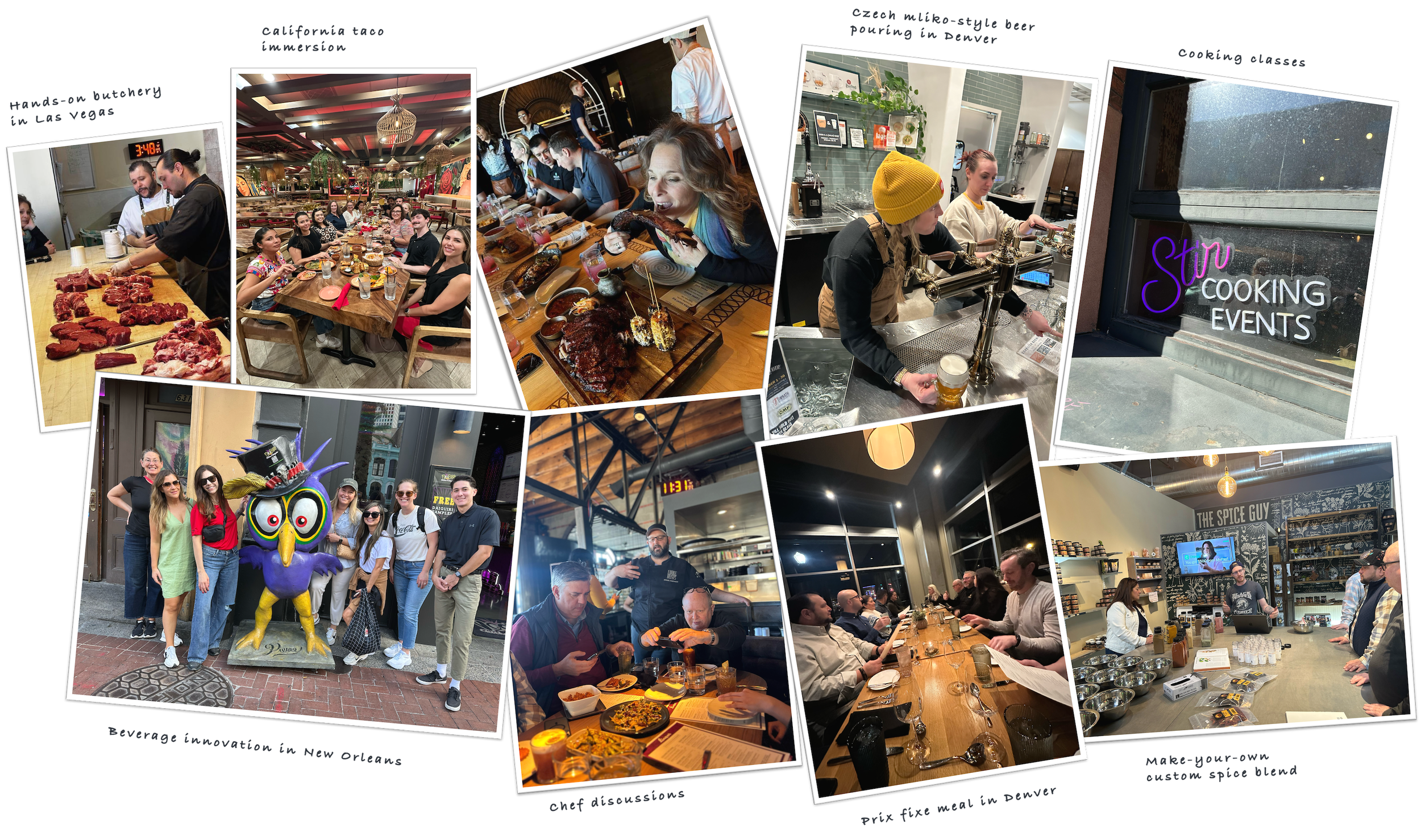
Get Your Insights Immersion on the Calendar
Have you always wanted to host an in-market insights immersion for your team and/or clients? Now is your time to get it on the calendar for 2026.
There’s nothing quite like an in-market trend immersion to spark new ideas, bring data and insights to life, experience every sensorial aspect of a dining experience, and bring a team together to capture the imagination. But there’s also nothing quite like a Menu Matters immersive experience, which are designed to bring that “wow” factor, going beyond a simple tour to include pre-event engagement, guidance to get the most out of the event for each attendee and meet concrete goals, tools like bespoke apps to take the experience to the next level, and post-event follow-ups to keep the ideas flowing.
The goal is for attendees to not just leave having had a great social experience, but to push them to think anthropologically about the food and trend landscape, ultimately capturing ideas to share with internal teams and jumpstart future initiatives.
